Community + Infrastructure

What We Build
On the Ground.

Rooted systems for people and coastal ecosystems.

Our waste recovery mission work starts on the Pacific coast of Costa Rica, in the Nicoya Peninsula. We build and run the infrastructure for the people who live there and for the biodiverse ecosystems that surround them.

We don't separate systems from people.

Get in touch →
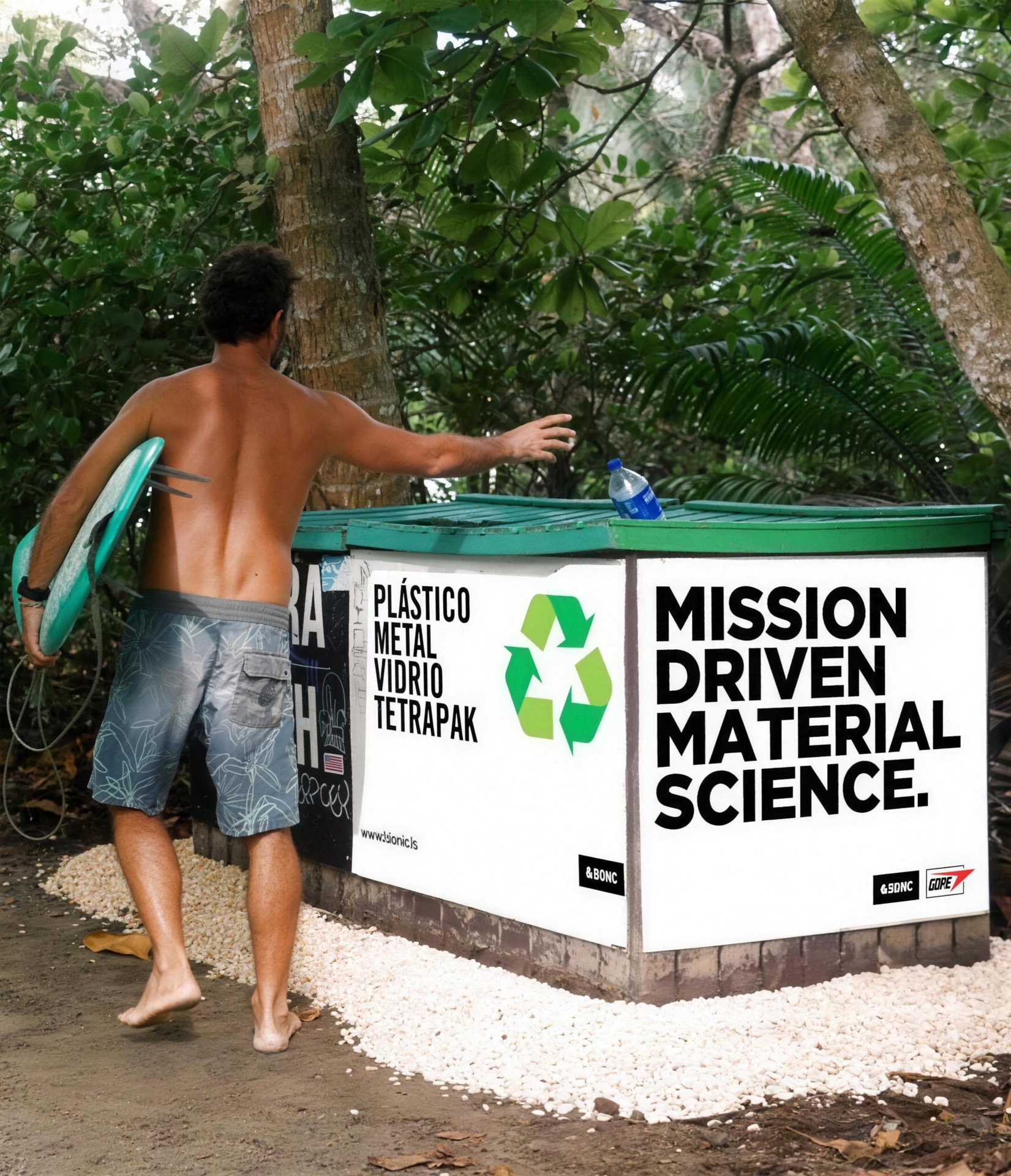
BIONIC collection station on the Pacific coast of Costa Rica

What We Build

Simple, Visible
Structure on the Ground.

Every piece of infrastructure is also a touchpoint with the community. Designed to be seen, trusted, and easy to participate in.

01

Collection Points

Fixed and mobile collection points anchored in neighborhoods, beaches, and commercial zones — where material enters the system and community participation begins.

02

Routes and Trucks

Dedicated recovery routes run by local operators, moving material from collection points to processing hubs on a schedule the community can count on.

03

Processing Hubs

Local sorting and processing facilities that employ people from the communities we serve and prepare recovered material for the supply chain.

Why Costa Rica?

Where It All
Concentrates.

We chose Costa Rica's Pacific coast as the starting point for BIONIC's community and infrastructure model. It concentrates everything we care about in one place.

  • Extreme biodiversity in a small footprint — roughly 0.03% of Earth's land area with around 5–6% of known species.
  • A national culture of "Pura Vida" grounded in education, environmental protection, and demilitarization.
  • Coastal districts where tourism and new development have outpaced public investment in waste management.

Building missing recovery infrastructure and real municipal partnerships here is daily protection for some of the most biodiverse coastlines on the planet.

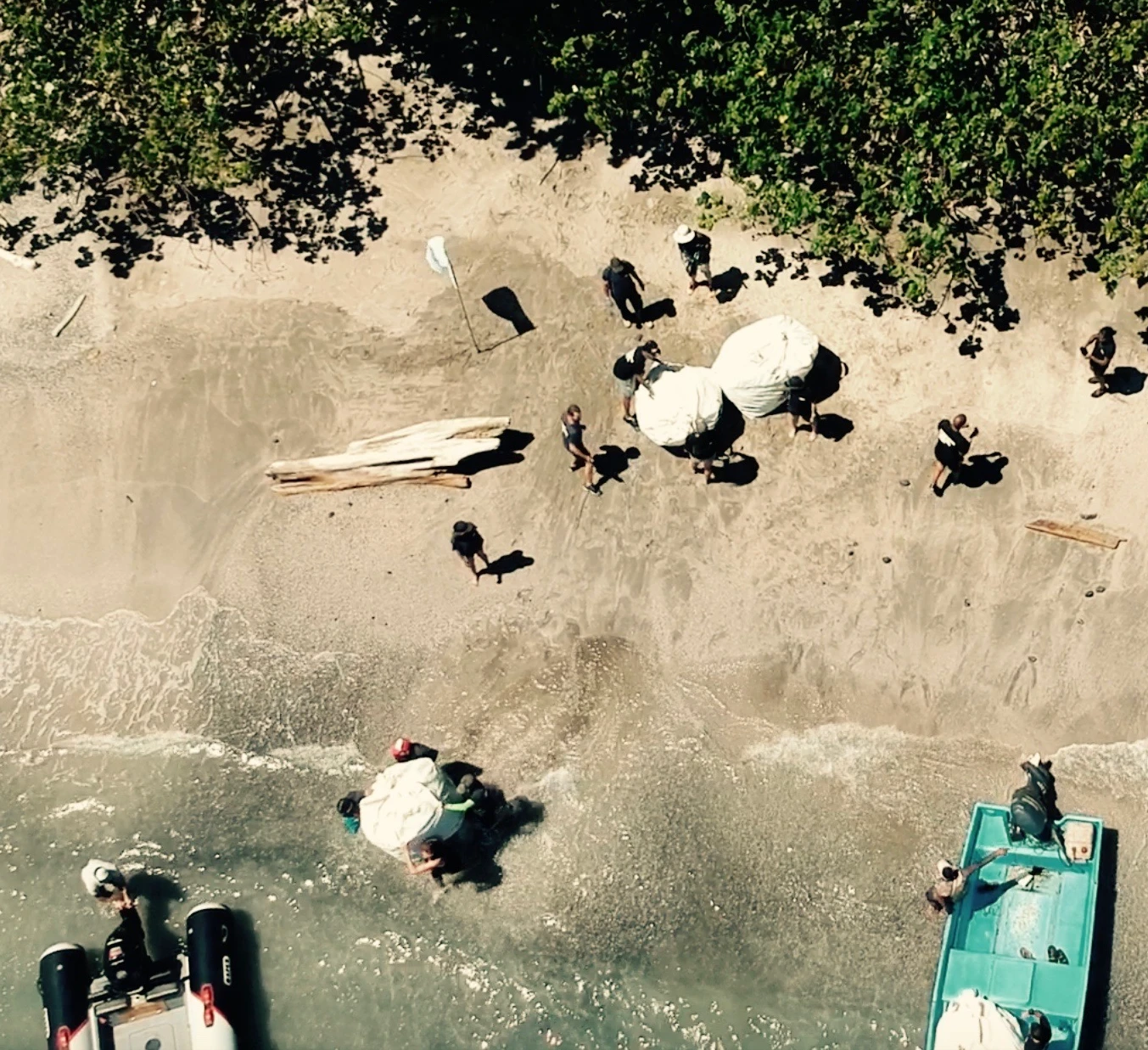
Aerial view of BIONIC recovery team collecting material on Costa Rica's Pacific coast
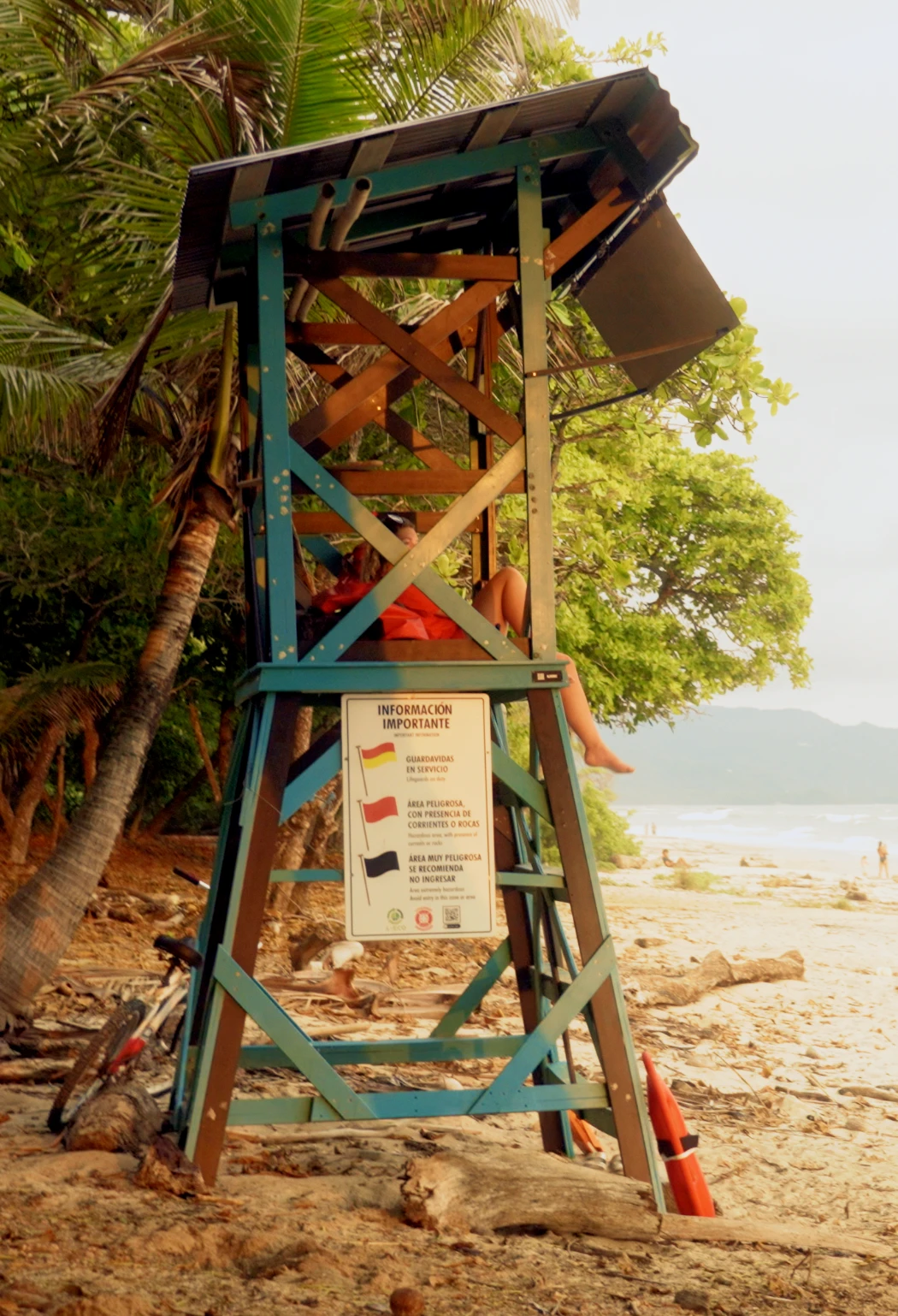
Lifeguard tower built with BIONIC Lumber on Costa Rica's Pacific coast

Designed for Daily Life

Rooted in the
Communities We Serve.

To raise recovery above the ~5% baseline, we invest as much in relationships as we do in equipment.

  • Local communication networks — Neighborhood WhatsApp groups, local social media, and simple, consistent signage that keeps people informed and involved.
  • Schools and youth programs — Classroom talks, facility visits, and special projects.
  • Visible public projects — Bridges, lifeguard towers, and other structures built with BIONIC Lumber that turn recycling into something you can walk across or climb into.

Community and infrastructure
move together.

When they do, coastal ecosystems have a real chance to recover — and the materials that once washed up on shore can come back as something useful, durable, and good.